




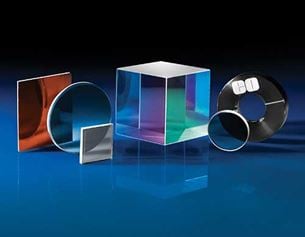
偏光素子
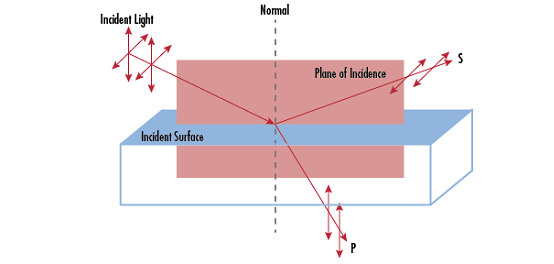
偏光素子は、光の電場の向きを制御し、コンピュテーショナルイメージングや天体観測の両方に対してパワフルに対応します。偏光状態を操作・測定するのに偏光板や波長板などの部品を用いることで、こうしたシステムはコントラストを高め、グレアを軽減し、明るさや波長だけではアクセスできない情報を明らかにすることができます。マシンビジョンでは特徴の検出や材料分析の向上を可能にし、天文学では光が塵、磁場、そして惑星大気とどのように相互作用するかを科学者が研究し、天体環境をより深く理解するのに役立ちます。
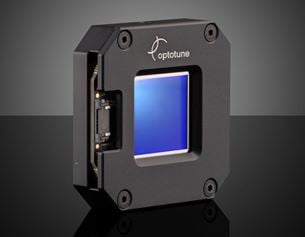
アクティブ型光学素子
アクティブ型光学素子は、チューニング可能なフォーカシングや反射補償など、電気的に駆動するメカニズムを利用して照明や波面挙動を制御し、システム設計を簡略化します。エドモンド・オプティクスは、液体レンズ、可変型ディフューザー、スペックル・リデューサー、および補償光学素子を用意し、焦点や収差補正を素早く制御します。こうした装備は、アルゴリズムによる再構築とシームレスに統合するためにより豊富なデータキャプチャとリアルタイムな波面整形を可能にすることで、コンピュテーショナルイメージングを高めます。
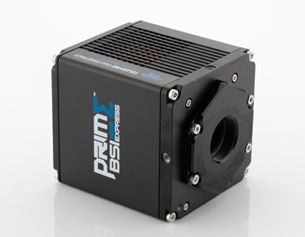
サイエンティフィックカメラ
sCMOSカメラは、その低い読み出しノイズ、高いダイナミックレンジ、高速かつグローバルに同期されたフレームレートにより、アルゴリズムが依存する微妙な符号化された測定値を保持するため、コンピュテーショナルイメージングに理想的です。その安定性、直線性、および画素均一性によってフォワードモデルは予測可能となり、コード化された開口イメージング、タイコグラフィー、および構造化照明などの技術において正確な逆分析を可能にします。
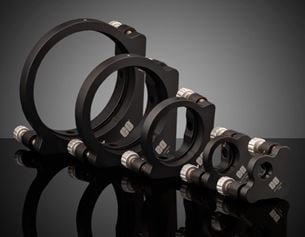
Eシリーズ キネマティックマウント
ベンチトップ光学マウントは、レンズ、フィルター、およびレーザー光源などの部品の正確な位置取りを行います。こうしたマウントは、ハイパースペクトルセットアップや他のイメージング実験用に素子をエンコーディングする容易な再構築を可能にし、一貫した光学エンコーディングと信頼性の高いシステム性能を確実にします。
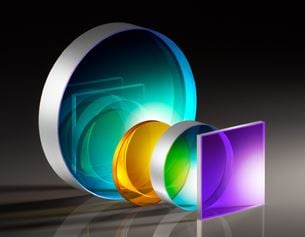
回折光学素子 (DOE)
回折光学素子 (DOE) は、透過したレーザー光の位相を変化・制御させる微細構造のパターンを持って製造されます。回折光学素子は、その微細構造を変えることで、アプリケーション要件に適合するビーム強度分布やビーム形状のほぼ全てを作り出すことができます。この光学素子は、プラスチック、合成石英、ゲルマニウム、サファイア、セレン化亜鉛 (ZnSe) をはじめとするさまざまな基板から製造され、UV、可視 および 赤外 (IR) レーザーとの使用を可能にします。回折光学素子は、特定レーザー波長用に一般的にデザインされ、その性能は波長に依存します。
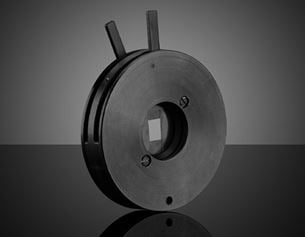
アイリス & アパーチャー
アパーチャーは、センサーに到達する光を制御することで、信号品質向上とノイズ最小化を行い、コンピュテーショナルイメージングを高めます。研究者は、アイリス絞り、ピンホール、あるいはスリットを用いて照明パターンを管理し、アルゴリズムへの制約を定義することができます。エドモンド・オプティクスは、光スループットやシステム形状に対して正確な制御を可能にする調節可能なアパーチャーを用意し、コード化されたアパーチャーイメージングや圧縮センシングなどの技術を高めます。
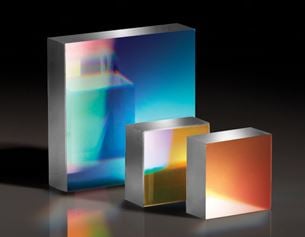
回折格子
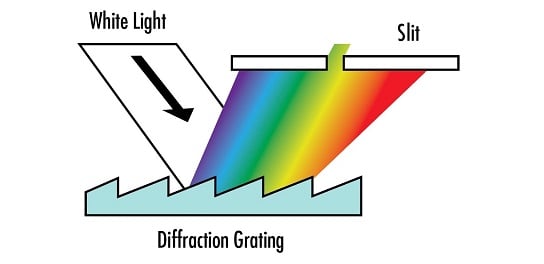
回折格子は、既知の波長に依存するエンコーディングをライトフィールドに加えることで、コンピュテーショナルイメージングをサポートします。アルゴリズムは、このエンコーディングを後で反転させることができます。その制御された分散は、スナップショットのハイパースペクトルイメージング、レンズレスおよびホログラフィックな再構築、そして構造化照明による超解像を可能にします。回折格子は、安定かつ解析的にモデル化可能な回折パターンを生成するため、正確な前方モデルに依存するシステムに理想的です。このようなシステムは、1回の測定からスペクトル、位相、あるいは高解像な情報を回収します。
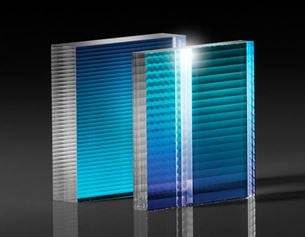
特殊レンズ
マイクロレンズやマルチレンズアレイは、深度リカバリー、リフォーカス、およびスナップショットの超解像用に、ライトフィールドキャプチャー、角度サンプリング、およびポイント・スプレッド・ファンクションを高めます。特殊なデザインにより、ハイパースペクトルカメラなどの低信号システムに対して集光能力を高めることもできます。その工学的に設計された光学的挙動は、制御されたエンコーディングを可能にし、限られたデータからより豊かな空間情報、スペクトル情報、あるいは深度情報を抽出する計算手法をサポートします。

もしくは 現地オフィス一覧をご覧ください
クイック見積りツール
商品コードを入力して開始しましょう
Copyright 2023, エドモンド・オプティクス・ジャパン株式会社
[東京オフィス] 〒113-0021 東京都文京区本駒込2-29-24 パシフィックスクエア千石 4F
[秋田工場] 〒012-0801 秋田県湯沢市岩崎字壇ノ上3番地
The FUTURE Depends On Optics®