









動画の文字起こし
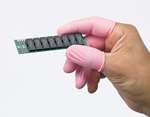
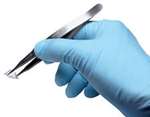
Hi, I'm Pat. And I'm Anthony. We're going to be taking a couple of minutes to review the do's and don'ts of cleaning most optical components. Remember, clean optical components guarantee superior performance. Dirt, smudges, and other particulates can degrade light transmission or reflection. Are you ready? Did you bring your gloves?
(5.4s)If there appears to be only some dust on the surface, do not use your mouth to blow away the dirt. Saliva is not a recommended cleaning product. Tasty.
Instead, use some compressed air. Contact-free cleaning is the safest cleaning method, and compressed air is a great first step when cleaning optics.
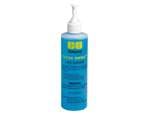
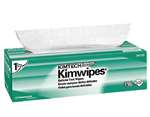
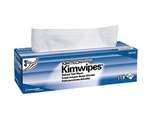
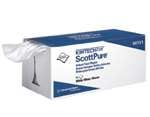
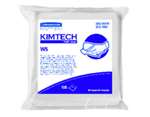
When trying to remove fingerprints or other oils, Lens tissue and solvent are an excellent choice. When using lens tissue, do not soak the lens tissue and proceed to scrub with hurricane force!
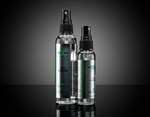
Rather, for large flat optics like this, the lens tissue should be placed over the optic surface. Moist the lens tissue with a few drops of acetone or alcohol and then drag the tissue across the surface. You will see the solvent evaporate as the tissue is removed. For best results, avoid overly saturating the tissue.
For more resistant smudges, cotton tip swabs may also be used. Do not use cotton tip swabs forcefully on mirrors as it may damage their delicate metallic coating, making it more difficult for you to see your adorable reflection.
Instead, lightly saturate the tip of the cotton swab with acetone or alcohol. Then, delicately rub the surface of the optical component moving in small circular motions that start in the center and work toward the edges. The circular motion reduces streaks, which are commonly caused by vertical strokes. For more optical cleaning techniques, please visit the following link. (4.5s)


もしくは 現地オフィス一覧をご覧ください
クイック見積りツール
商品コードを入力して開始しましょう
Copyright 2023, エドモンド・オプティクス・ジャパン株式会社
[東京オフィス] 〒113-0021 東京都文京区本駒込2-29-24 パシフィックスクエア千石 4F
[秋田工場] 〒012-0801 秋田県湯沢市岩崎字壇ノ上3番地
The FUTURE Depends On Optics®